
Love Food Hate Waste Meal Planning and Using Lists
Meal planning: simple steps to cut food waste
Love Food Hate Waste highlights two leading causes of food waste in our homes:
- Not using food in time — we don’t get around to eating it before it becomes inedible.
- Changes in personal preference — we change our minds and eat something else.
Together, these behaviours account for most of the avoidable waste in UK homes.
The good news? Meal planning + a shopping list tackles both causes effectively—especially when done together and regularly.

Did you know…
A 2017 European study found that people who planned meals—even occasionally—had a more varied, nutritionally balanced diet and were less likely to be overweight or obese.
Setting aside a short period to plan meals and write a shopping list is a great way to get a snapshot of how food is being used (and wasted) in your household. For now, read our guide to effective meal planning and make a start when you are ready.
Meal planning guide
Do some preparation
- Decide how often you shop, how long your plan needs to cover, how many people you’re planning for, and your budget.
- If you shop weekly at one supermarket, plan a week of meals and create one long list. If you do frequent top‑ups, shop at multiple places, or more than one person shops, factor that into how you plan and share lists.
- Give yourself enough time—aim to plan before you next shop, but not so far ahead that plans will change.
- A basic plan + list can be done in 30 minutes if you know what you want and what’s already at home.
Time to plan (and list)
Plan meals as you write your shopping list. Use a simple grid on paper, a printable template, a white/blackboard on the fridge, or a meal‑planning app.
If more than one person shops, consider a shared list app or stick the plan on the fridge so everyone can follow it.
Meal planning apps
Many apps offer free basics; some have optional paid features, you can also do google searches for the ingredients you have and it will generate recipes.
Stocktake as you go
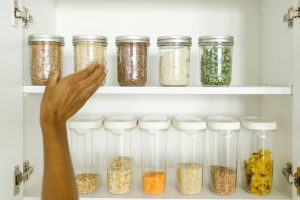
- Check cupboards, fridge and freezer; base your plan around foods you already have.
- Use up anything close to its date early in the week.
- Know your dates:
Use by = safety — don’t consume after this date.
Best before = quality — food is generally safe after the date, though not at its best.
Check your calendar
- Confirm how many people will be at each meal and roughly how much they’ll eat.
- Write quantities on your shopping list (or the plan) to avoid under/over‑buying. If in doubt, use the LFHW portion calculator.
Open the LFHW Portion Calculator
Build in some flexibility
- Plan for busy days and low‑energy evenings.
- Batch‑cook when convenient and freeze extras; add “quick‑meal” placeholders on the plan.
Plan meals that share common ingredients
Example: one pack of mince → burgers (Day 1), bolognese (Day 2), chilli (freeze for next week).
You don’t have to eat them all in one week—just freeze safely and schedule later.
Take your shopping list with you
Make the list on your mobile phone if you can.
Photograph the list before you go, or use a shared notes app so it’s always with you.
Stick to your shopping list
It’s there to help you buy the right amount and stay on budget—avoid impulse extras.
Don’t forget the freezer
- Cook double, freeze half. Next time you need a quick option, you’ve got a “ready‑meal” to reheat.
- Unsure if something can be frozen? Check LFHW’s A–Z storage tips and fridge‑temperature tool.
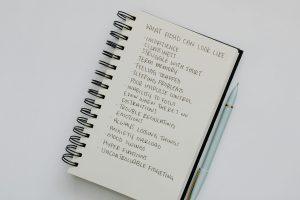
Stick to the plan
If you deviate mid‑week, note why (schedule change, preference, forgot an ingredient) and feed that insight into next week’s plan.
Reflect and repeat
Meal planning gets easier and more effective with practice. If it’s not for you, try the alternatives below.
If meal planning and shopping lists aren’t for you
- Fridge photo hack: take a quick photo of your fridge before shopping. Refer to it in‑store to avoid duplicating what you already have.
- Use the shop as a pantry: buy only what you’ll eat today (or for one meal). This can reduce storage waste, but be mindful of opening hours, product range, and pack sizes.
Why it works
Planning helps you use food in time and reduces “displaced meals” (when plans or preferences change)—the two leading drivers of household waste. It also supports healthier, more varied diets.
Also in Love Food Hate Waste Sub menu