
Compostable, degradable, biodegradable and oxodegradable plastics
August 15, 2024
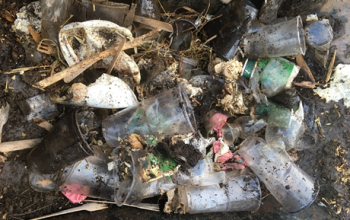
Types of plastic and how to dispose of them
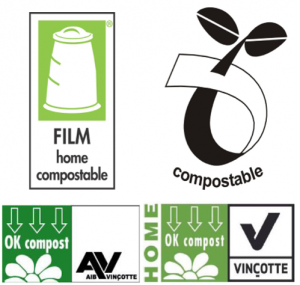
Home compostable plastics
What to look for:
Can it be recycled?
Can it be composted at home?
Yes, if you have a home compost bin.
Can it go in a garden waste collection?
How to dispose of it:
Additional information:

Compostable plastics for industrial composting
What to look for:
Look for an OK Compost INDUSTRIAL logo or Seedling certification mark.
Can it be recycled?
No. Compostable plastics can contaminate recycling.
Can it be composted at home?
No. These plastics are designed for industrial composting facilities, not home compost bins.
Can it go in a garden waste collection?
No. Plastics of any type are not accepted in Leicestershire garden waste collections.
How to dispose of it:
Place it in the residual waste bin.
Additional information:

Degradable plastics
What to look for:
There is no widely recognised standard or logo for degradable plastics. The item may include the word “degradable” or use imagery suggesting it is eco-friendly.
Can it be recycled?
No. Degradable plastics can contaminate recycling.
Can it be composted at home?
No.
Can it go in a garden waste collection?
No.
How to dispose of it:
Place it in the residual waste bin.
Additional information:

Oxo-degradable plastics
What to look for:
There is no widely recognised standard or logo for oxo-degradable plastics. Manufacturers may use their own symbols or claims.
Can it be recycled?
No. Oxo-degradable plastics can contaminate recycling.
Can it be composted at home?
Can it go in a garden waste collection?
No.
How to dispose of it:
Place it in the residual waste bin.
Additional information:
Oxo-degradable plastics are designed to break down in the presence of oxygen. As they break down, they can produce microplastic fragments. These plastics should not be littered, composted or placed in recycling collections.

Biodegradable plastics
What to look for:
There is no single recognised logo for biodegradable plastics. Manufacturers may use their own symbols, claims or trademarks.
Can it be recycled?
No. Biodegradable plastics can contaminate recycling.
Can it be composted at home?
Can it go in a garden waste collection?
No. Biodegradable plastics should not be placed in garden waste collections in Leicestershire.
How to dispose of it:
Place it in the residual waste bin, unless it is clearly marked as home compostable and you can compost it at home.
Additional information:

Oxo-biodegradable plastics
What to look for:
There is no single recognised logo. Some logos and claims may suggest that oxo-biodegradable plastics are recyclable, but this is not the case.
Can it be recycled?
No. Oxo-biodegradable plastics can contaminate recycling.
Can it be composted at home?
Can it go in a garden waste collection?
No.
How to dispose of it:
Place it in the residual waste bin, unless it is clearly marked as home compostable and you can compost it at home.
Additional information:
Oxo-biodegradable plastics usually break down in two stages. First, they fragment into smaller pieces. These smaller pieces may then break down further if the right microbes and conditions are present. If those conditions are not present, the fragments may remain in the environment.

Bioplastics, biobased plastics and plant-based plastics
What to look for:
There is no single widely recognised logo or certification mark for bioplastics, biobased plastics or plant-based plastics.
Can it be recycled?
Possibly. Most plant-based plastics can be recycled, unless they are also marked as being compostable, degradable, oxo-degradable or bio-degradable.
Can it be composted at home?
Can it go in a garden waste collection?
No.
How to dispose of it:
Place it in the recycling collection unless it is marked as biodegradable, compostable or home compostable. Items marked as biodegradable, compostable or home compostable should go in the residual waste bin, unless they are suitable for home composting.
Additional information: