
Starting university? Make second hand your first choice
September 7, 2026
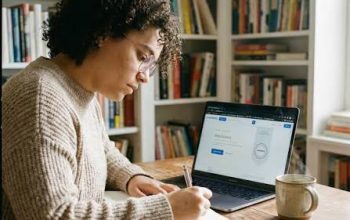
Moving away to university is an exciting step. Whether you’re heading into halls of residence or sharing a house with friends, you’ll probably need to buy a range of everyday items to help you settle in.
Before filling your basket with brand new products, take a moment to consider whether second hand, refurbished or borrowed alternatives could meet your needs instead.
Choosing pre-loved items can help you save money, reduce waste and keep useful products in circulation for longer.
Why choose second hand?
Many items used by students only need to last for a few years and don’t have to be brand new to do the job.
Buying second hand can help you:
- Save money on essential purchases
- Reduce demand for new products and raw materials
- Prevent perfectly usable items from being thrown away
- Give unwanted items a new life
- Reduce your environmental impact
You may be surprised at the quality of items available through charity shops, online marketplaces, reuse organisations, refurbished technology suppliers and university swap groups.
What can you buy second hand?:
Furniture
Beds, desks, chairs, shelving, sofas and storage units are often available second hand for a fraction of the cost of buying new.
If you’re moving into unfurnished rented accommodation, consider waiting until you’ve seen the available space before making purchases.
Technology
Laptops, monitors, tablets and other electronics can often be bought refurbished from reputable suppliers.
Many refurbished devices are professionally tested, cleaned and supplied with warranties, offering a reliable and affordable alternative to buying new.
Books and Course Materials
University textbooks can be expensive, particularly during your first term.
Try:
- Buying used copies online
- Looking for previous editions recommended by your course
- Checking university libraries
- Using student buy-and-sell groups
Kitchen Essentials
Pots, pans, crockery, cutlery, kettles and toasters are commonly available second hand and can often be found in excellent condition.
Consider splitting purchases with housemates to avoid unnecessary duplication.
Bicycles
A bike can be a cost-effective way to travel around campus and your local area.
Second hand bicycles are often available through bike recycling projects, local cycle shops and online marketplaces.
Home and Study Equipment
Items such as lamps, storage boxes, printers, desk organisers and home décor are frequently available second hand and can help personalise your space without stretching your budget.
Clothing and textiles
Our Wear Care and Repair pages have lots of information and advice on choosing durable and long lasting clothing, caring for clothing and textiles and guides to simple alterations and repairs.
Where to Find Second-Hand and Refurbished Items:
Local Reuse Organisations
If you’re studying in Leicester, Leicestershire or Rutland, there are several organisations that sell affordable second-hand furniture, appliances and household items while helping to reduce waste and support local communities. Check the reuse section on our Waste Prevention Map, and our furniture reuse page. You could also try:
- Leicester-Shire ReUse Network brings together local charities that collect, repair and redistribute reusable furniture and electrical appliances across the county. https://leicester-shire-reuse-network.co.uk
- Work Link Project in Hinckley sells good-quality reused furniture and electrical items while providing support and skills opportunities for local people. https://worklinkproject.org
- SOFA (Stuff Our Furniture Appeals) in Loughborough offers affordable second-hand furniture and household goods and is part of the Leicester-Shire ReUse Network. https://www.sofause.org
- Age UK Leicester Shire & Rutland Reuse Shop at Gypsum Close Household Waste Recycling Centre sells a wide range of items that are considered “too good to tip”, including household goods and small electrical items.
- https://www.ageuk.org.uk/leics/shops/age-uk-leicester-shire-rutland-reuse-shop-1f2aadbb-1579-ec11-b820-0003ff4b0da1/
Refurbished Technology
If you need a laptop, monitor, tablet or smartphone, consider a refurbished device before buying new.
Useful websites include:
- Back Market: https://www.backmarket.co.uk
- Currys Refurbished & Clearance: https://www.currys.co.uk
Books and Study Materials
Before paying full price for textbooks, check whether second-hand copies are available.
Useful websites include:
- World of Books: https://www.worldofbooks.com
- AbeBooks: https://www.abebooks.co.uk
Many students also sell course textbooks through university social media groups and student marketplaces.
Bikes
A bike can be one of the most affordable ways to travel between your accommodation, campus and local amenities.
You may find second-hand bicycles through:
- Local bike shops
- Community cycle projects
- Student buy-and-sell groups
- The Bike Project: https://thebikeproject.co.uk
Student Reuse and Swap Groups
Many universities run:
- Student buy-and-sell Facebook groups
- Accommodation swap groups
- End-of-term reuse schemes
- Campus noticeboards and online marketplaces
These can be excellent places to find furniture, kitchenware, study equipment and household essentials from students who are moving out and no longer need them.
Before You Buy New
Whenever you’re about to buy something, ask yourself: Can I borrow it, buy it second hand, or choose a refurbished option instead?
Even choosing pre-loved items for just a few purchases can save money and reduce waste.
Don’t Forget to Reuse When You Leave
At the end of the academic year, many students find themselves with unwanted items that are still in good condition.
Rather than throwing them away, consider:
- Selling them to other students
- Donating them to charity shops
- Passing them on to friends or housemates
- Using local reuse organisations
- Returning items home for future use
By choosing second hand where possible and passing on items you no longer need, you’ll help reduce waste, keep useful products in circulation for longer and support a more circular economy.